Redesigning Search
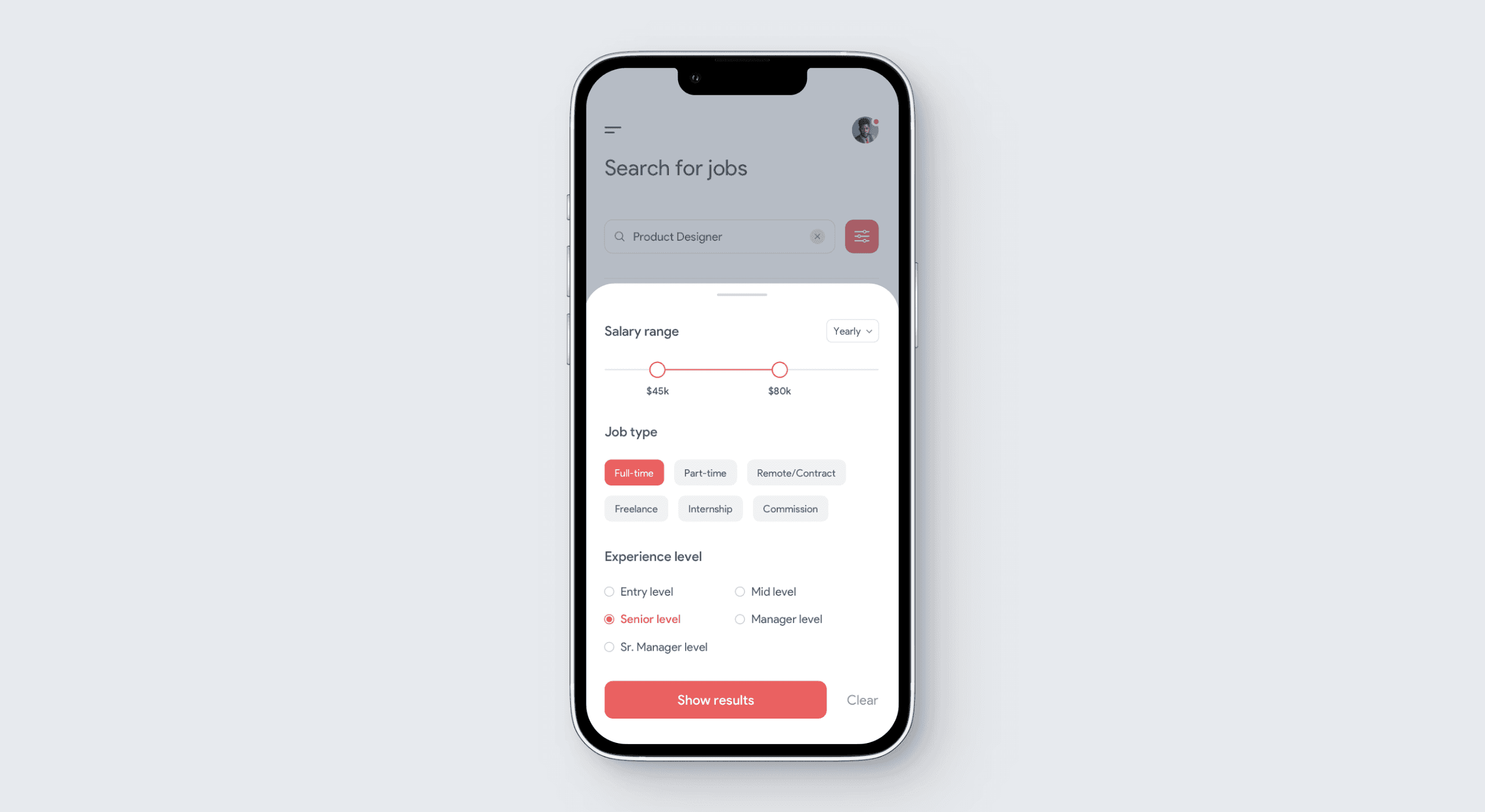
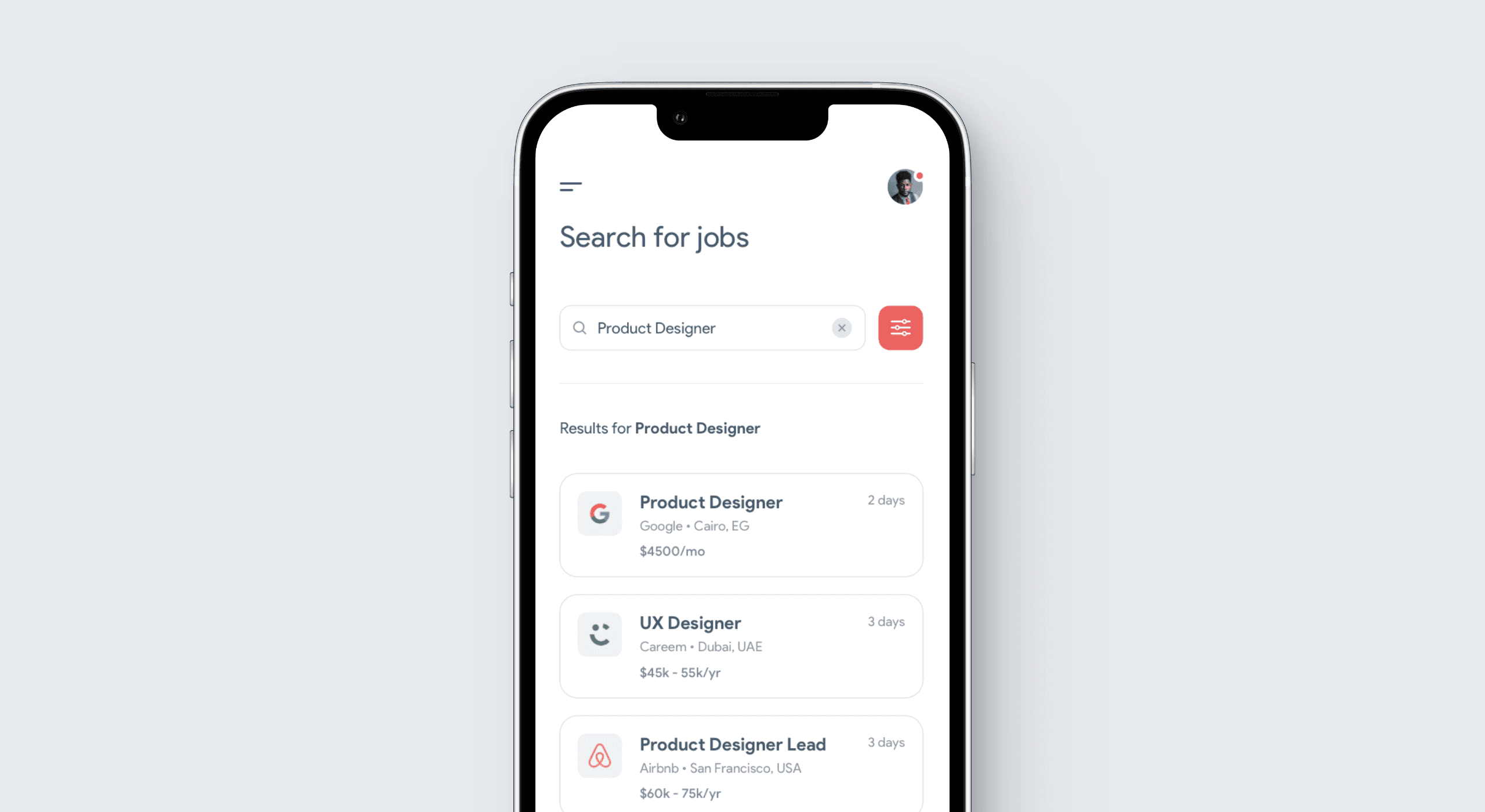
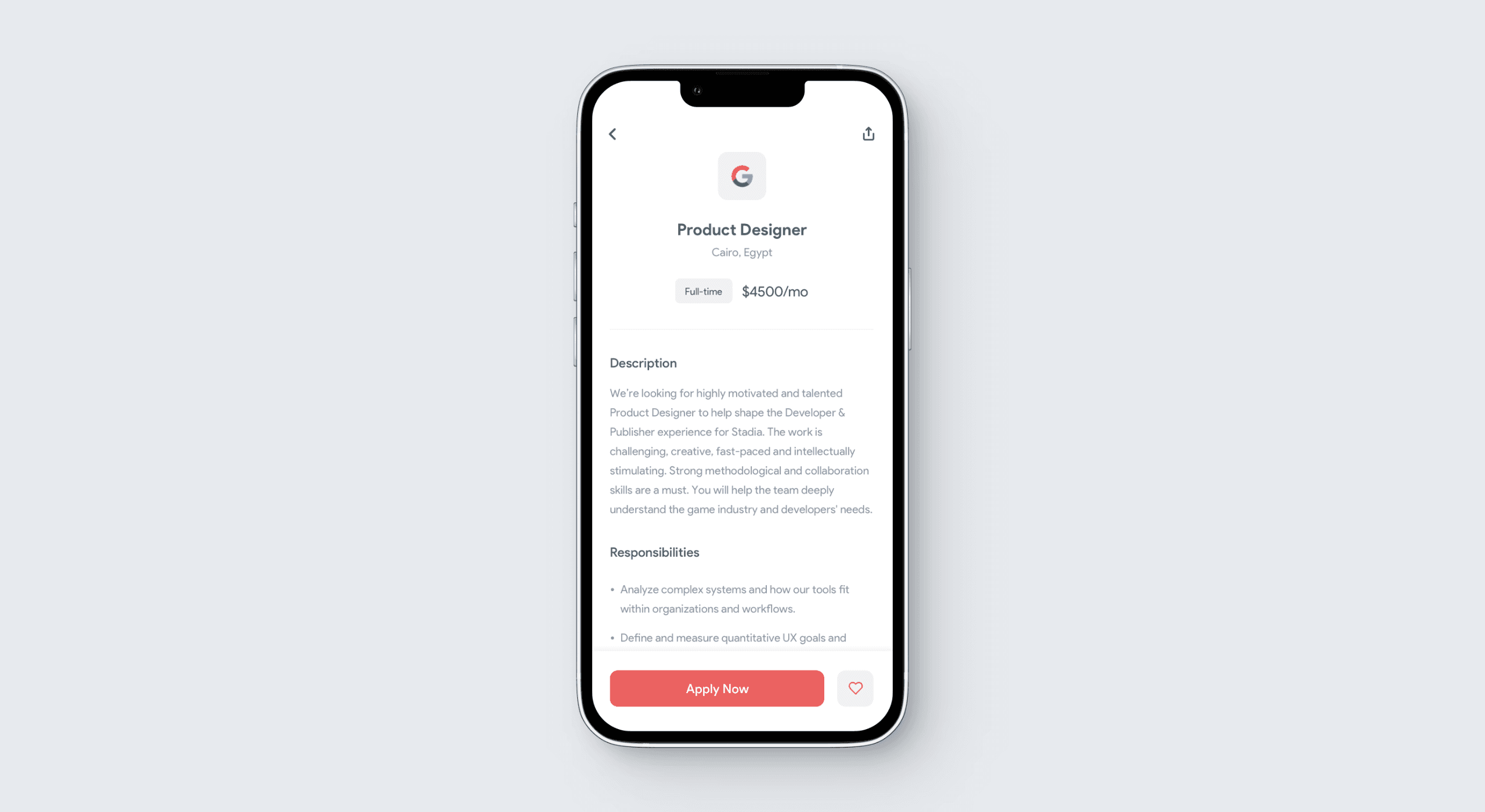
By providing job seekers with the ability to search, explore, and discover suitable job postings based on their individual preferences and criteria, the job portal app enables job seekers to take a more proactive and informed approach to their job search process.
Client:
Zee Entertainment
Role:
Lead Designer
Year:
2023

The Challenge
Problem:
During the transition from Acquisition to Discovery, I spoke with the existing stakeholders to understand the challenges:
Planning was weak. Most features were introduced mid-quarter, driven by product and business, leaving little room for structured thinking.
With a sole designer, bandwidth was constrained, limiting the scope and speed of execution, with only 1–2 feature launches per quarter.
Design had limited influence on prioritisation. Insights were rarely acted upon.
The experience lagged behind competitors, and design-led initiatives were minimal.A failed experiment, rolled back within 24 hours, created lasting bias and caution around future experimentation.
Process
Impact
Built a prioritisation tool that improved team productivity and scaled across charters
Mentored 4 designers
Championed the use of research in product decisions
Executed over 23 design initatives in two quarters
Won 2nd place in an internal hackathon
Increased search CTR from 79% to 81%
Team launched an experiment that improved VTUR by 13% in a control group
Launched Ai powered search
Solution
Design Operations
The new team allowed us to approach the charter with fresh eyes. While we had more bandwidth, most were fresh graduates who needed training. I chose to onboard them early, before assigning charter work.
Instead of a standard audit, I structured onboarding around hands-on learning:
Mapped key user journeys after a brief session on journey mapping to build system understanding
Recreated the homepage pixel-perfect using the design system to learn Figma and core components
Identified a problem area and designed a solution within a week, with reviews every two days including data, research, and design
The final work was presented to the broader design team. This built ownership and gave them visibility within a team of 50+ designers.
Key takeaways
Planning and Prioratisation
As we integrated with the larger team, I pushed for clarity on the quarterly plan. The plan arrived late, but I used this phase to understand the charter and its workflows.
I requested a detailed walkthrough to align on priorities. I then introduced a simple planning format that:
Defined clear priorities
Mapped designers to projects
Made bandwidth visible
This improved accountability and transparency across teams.
When clarity on priorities or success metrics was missing, I escalated to standardise the process.
Outcome:
Clear visibility into BAU work and timelines, enabling the team to plan design initiatives and manage time off without impacting delivery.
Key takeaways
Research and Design
Design had low influence in discussions, often reduced to opinion. I shifted the team to research-backed decision making.
The team had strong research, but it was underused. Reports were hard to consume, and insights were often misquoted.
I partnered with the research team to run walkthrough sessions over two weeks, helping designers absorb key insights at once.
Kunal and I then redesigned the research outputs:
Simplified reports with clear structure and visuals
Made insights modular and reusable in presentations
Outcome:
Designers could easily reference accurate insights, strengthening their voice in reviews and decisions.